
Hunting is not just a recreational activity; it’s an ancient skill that connects us with our primal instincts and the natural world. Whether you’re a complete beginner or an experienced hunter looking to hone your skills, there’s always room for growth and improvement. Each hunting trip presents an opportunity to learn, adapt, and level up your abilities. Want to Hunt at Night? Here’s How to Prepare.
Master the Basics

For beginners, mastering the fundamentals is the first step to becoming a proficient hunter. Familiarize yourself with firearm safety, shooting stances, and proper handling of your weapon. Learn about the anatomy of the game you’re hunting and where to take ethical and clean shots. Practice shooting regularly at the range to improve accuracy and build confidence in your abilities. A solid foundation in the basics will form the backbone of your hunting skills.
Hone Your Stealth and Patience
One of the most crucial skills in hunting is the ability to move quietly and remain patient. Practice stealth techniques such as walking softly, minimizing noise, and staying downwind of your target. Patience is essential, as animals have keen senses and may be wary of human presence. Waiting quietly for the right opportunity will often lead to a more successful hunt.
Learn From Experienced Hunters
Experienced hunters can offer valuable insights and knowledge gained from years of hunting. Join hunting clubs, forums, or local groups where you can learn from others, share experiences, and gain valuable tips. Mentoring programs or guided hunts can also provide hands-on learning opportunities and personalized coaching.
Study the Game
To be a successful hunter, you must understand the behavior and habits of the game you’re pursuing. Study the species you plan to hunt, their preferred habitats, feeding patterns, and daily movements. Learn to recognize signs like tracks, droppings, and rubs, as these will lead you to areas where the game is active. Understanding your prey’s behavior will give you a strategic advantage and increase your chances of a successful hunt.
Use Quality Optics
 Invest in high-quality optics, such as binoculars and scopes, to improve your ability to spot and identify games from a distance. Clear and crisp optics will allow you to assess the animal’s size, age, and condition, helping you make informed decisions about whether to take the shot.
Adapt to Different Terrains
As a hunter, you’ll encounter various terrains and environments. Learn to adapt your hunting strategies based on the landscape you’re in. Familiarize yourself with hunting in forests, fields, mountains, and other settings. Each terrain requires different techniques and approaches to be successful.
Embrace Conservation and Ethical Hunting
Responsible hunting includes a commitment to conservation and ethical practices. Practice selective harvesting, only taking shots that ensure a quick and humane kill. Respect the laws and regulations governing hunting in your area, and participate in conservation efforts that protect wildlife and their habitats.
Develop Tracking Skills
 Tracking is a fundamental hunting skill that allows you to follow the trail of your game. Study tracking techniques, such as identifying different tracks and interpreting signs left by animals. Tracking enhances your ability to locate and close in on your target.
From beginner to pro, honing your hunting skills is a continuous journey of learning and growth. Mastering the basics, studying the game, and improving your stealth and patience are fundamental steps for hunters of all levels. Embrace opportunities to learn from experienced hunters, adapt to different terrains, and develop tracking skills to enhance your hunting proficiency.…
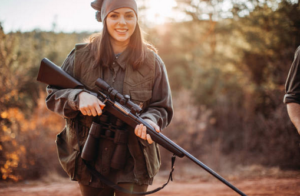 The idea of nature conservation for hunters was born in 1894 with Paul Kruger, the president of South Africa at that time, by establishing the first national park. The Kruger National Park started with 17,000 hectares in the eastern Transvaal province and merged with the Sabi Hunting Reserve in 1898. For the next century, there have been 16 national and 120 provincial parks were established. It led to the creation of over a hundred nature reserves and farms. Nature conservation is crucial to their vitality, while hunting would be essential to maintain the balance between the animals’ number and food availability.
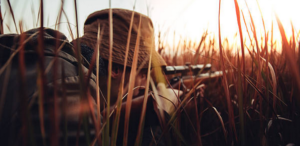 If you have found a pro-staff, the next things to do would be signing a hunting agreement. Ensure that the contract is also signed by the hunting outfitter, describing the details of your hunting trip from species, sex, hunting rates, and schedules. Take note that South Africa may be the only country with year-round hunting, but the hunting season is usually during the Summer season. If you want to search for more ample areas, March until November would be fantastic.
 Many sportspeople dream to hunt for the big game while they are in South Africa. The big five games include the Elephant, Lion, Rhinoceros, Buffalo, and Leopard. They are called big five or big games because the big mammals offer more significant challenges and experiences in hunting. It does sound attractive to hunt 7,715 pounds White Rhinoceros that can run up to 24 miles speeds, although the current updates have shown that their number has kept decreasing. Worse, it might have been near extinction from the pouching operation, making the big four is somewhat more acceptable to be echoed among the hunters.